





Co-design
Engagement Overlay to the RIBA Plan of Work, published by the RIBA in January 2024, states:
Co-design (collective design) is making together; between the project team and participants to develop and refine the design, actively using creative, participatory methods.
Typically, during project work stages 2 to 4, the project team and participants work closely with participants to gather their input, insights, and feedback on the design proposals. Then, based on this feedback, it refines the design to create a tailored design that meets project needs, is functional, economically, and technically feasible, and reflects the community’s needs and aspirations. Links to levels of engagement: co-design can enable agency participants and treat people equally, leading to a more collaborative process. Co-design aims to promote inclusivity, diversity, and equity in the design process and to create more user-centred, sustainable, and socially responsible proposals.
“Co-design is not the same as public participation. One of the key differences between public participation and co-design is that the later implies collective design, as the term itself suggests – the prefix co- means together, which leaves co-design as designing together.” Ethics of Co-design
[edit] Related articles on Designing Buildings
Featured articles
Check out some of the best features and news from Designing Buildings as well as key stories from around the web.

The heritage of nuclear and conventional power stations.
New measures to stop people being ripped off

Government to protect families from cowboy builders and aggressive bailiffs.

New Futurebuild showcase brings an innovation-first approach.
National Planning Policy Framework
Understanding the 2026 changes.
ECA's public affairs priorities

Member consultation opens to shape priorities for 2027 to 2030.

Dutyholder responsibilities from 1 July 2026.
Where performance meets practice

The Building Envelope Stage at UKCW Birmingham.
CIAT publishes briefing on planning reforms.
Leaders in Learning for Practice Network

Call for conservation leaders in learning to register interest in new network.
The importance of early engagement

Construction lessons from the Trillium HealthWorks Experience Centre.
Mayors are to be given planning call in powers

Mayors across England will be able to make the most important planning decisions.
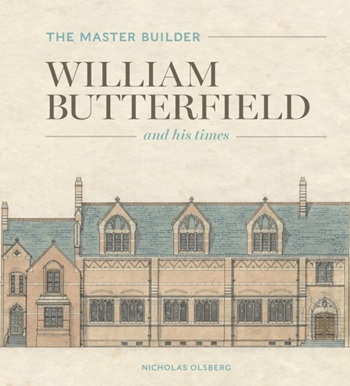
The Master Builder: William Butterfield and his times. Book review.